In this post by Superior Cleaning & Restoration, we’ll walk you through:
- The hidden risks of untreated water damage
- A step‑by‑step guide for what you can do right now
- How professional mold remediation works and when you should call in help
- Proven prevention strategies to protect your home going forward
With these insights, you can feel empowered, act confidently, and keep your home safe and healthy.
1. What Happens When Water Damage Lingers
Water damage is not just wet drywall—it’s the start of a chain reaction.
- Moisture penetrates porous materials (drywall, wood, carpet padding) and stays there. Experts highlight that mold can begin to develop within 24–48 hours of water intrusion.
- The combination of moisture + organic materials = mold growth. According to mold‑remediation specialists, mold thrives in damp, poorly ventilated areas and can spread behind walls or under surfaces.
- Mold isn’t just unsightly; it can damage structural materials and impact indoor air quality. For instance, spores released into the air can trigger allergies and respiratory symptoms.
- Insurance coverage may be limited. If the water intrusion is gradual (think: slow leak behind a wall) or caused by neglect, mold damage may not be covered.
Take‑away: Time is of the essence. The sooner you respond, the lower the risk and the cost.
2. Your Immediate Action Plan After Water Intrusion
When you discover water damage, here’s a clear path to follow:
- Ensure safety first. Turn off electricity in affected zones if there's standing water; avoid entry if structural damage is evident.
- Stop the water source. Shut off the main valve or isolate the leak—this limits ongoing damage.
- Document the scene. Photos and videos of all affected areas will help with insurance and restoration decisions.
- Remove standing water quickly. Use towels, a wet‑dry vacuum, or shop vac to extract as much as you can.
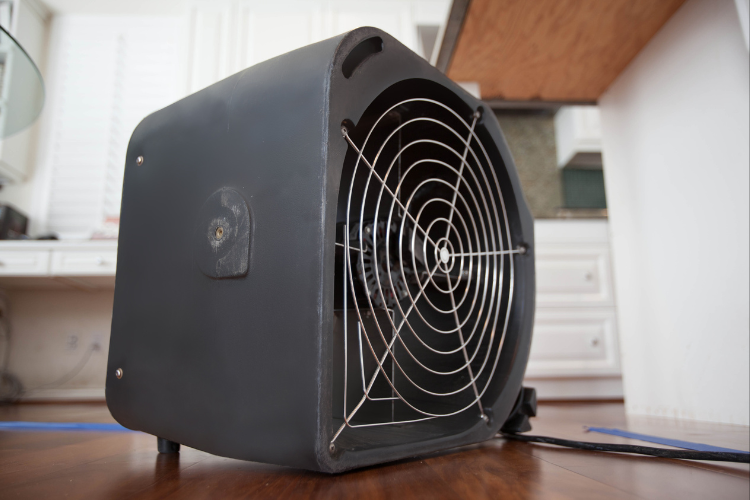
- Dry everything thoroughly. Deploy fans, air movers, dehumidifiers. Use moisture meters if available to verify materials are dry.
- Clean and disinfect surfaces. Damp surfaces should be cleaned with detergent or a bleach solution to kill residual mold spores.
- Decide whether to call a pro. If the affected area is large (over 10 square feet) or involves contaminated (gray or black) water, you’ll likely need professional intervention.
By following these steps, you minimize the chance of mold becoming a major problem.
3. Professional Mold Remediation: What It Looks Like
If you find mold—or suspect you might—it’s wise to rely on a certified remediation team. Here's how the process generally unfolds:
- Assessment & Isolation: A trained technician inspects the damage, uses moisture meters, evaluates hidden cavities (walls, crawl spaces), and establishes containment to prevent spore spread.
- Protective Equipment: Technicians wear respiratory gear, gloves, and in some cases full protective suits—indicating the seriousness of mold remediation.
- Removal of Affected Materials: This may include drywall, insulation, carpets—any material that cannot be reliably cleaned or dried.
- Thorough Drying & Disinfection: After removal, the space is dried to standardized moisture levels; remediation includes vacuuming with HEPA filters and applying EPA‑approved cleaning agents.
- Clearance Testing: A proper remediation job ends with a post‑treatment inspection or testing to confirm mold levels are safe and within acceptable parameters.
At Superior Cleaning & Restoration, our IICRC‑certified team brings this level of expertise to every job. We document your damage for insurance, handle moisture removal, and restore your space back to safe, usable condition.
4. Prevention: How to Stay One Step Ahead of Water and Mold
Prevention is the unsung hero of property care. Here are practical steps to keep your home dry and mold‑resistant:
- Regularly check for leaks: roof, plumbing, appliance hoses. Fix them promptly.
- Ensure proper drainage around your home’s foundation and keep gutters clean (especially around the Stevens Point area).
- Keep indoor humidity between 30–50%. Use dehumidifiers if your basement or crawl space stays damp.
- Use exhaust fans in bathrooms and kitchens; ensure ventilation in attics and crawl spaces.
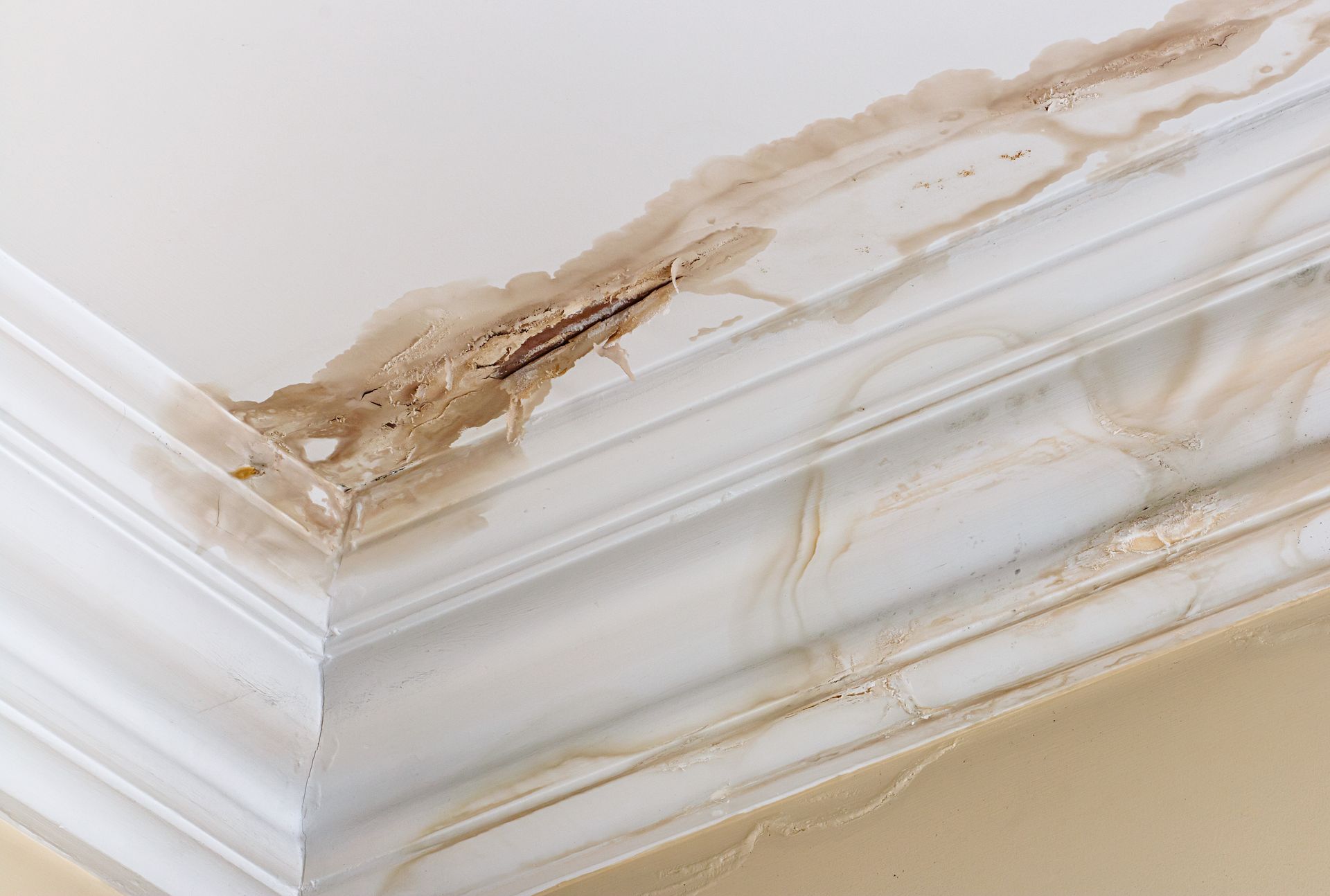
- If you spot bubbling paint, warped walls, dark spots on ceilings—take it seriously. These may be early signs of water intrusion or mold beginning.
- Educate your household or property manager: understanding that every small leak is an invitation for mold makes a huge difference.
Final Thoughts
Water damage and mold don’t have to become a nightmare. With prompt, informed action and the right partner, you can protect your home, your health, and your investment. At Superior Cleaning & Restoration, our goal is to help you take control—before the problem spirals.
If you’re facing water intrusion or suspect mold, call us right away. We’re available 24/7 for emergency response, insurance coordination, and full restoration.
Would you like me to create a downloadable checklist or infographic version of this guide—something you can share with your clients or homeowners?
More To Explore