
Fall Rain and Clogged Gutters: How They Can Lead to Water Damage in Wisconsin Homes
October brings some of Wisconsin's best scenery.
Unfortunately, those falling leaves can also contribute to one of the most common causes of preventable water problems around a home: clogged gutters.
When gutters and downspouts cannot move water away from a house properly, rainwater may end up exactly where homeowners do not want it—next to the foundation.
Over time, that can contribute to basement moisture, foundation seepage, and water damage.
What happens when gutters become clogged?
A gutter system is designed to collect water from the roof and direct it toward downspouts.
Leaves, pine needles, sticks, and other debris can restrict that flow.
When water cannot move through the gutter, it may:
- Overflow near the foundation
- Run down exterior walls
- Pool near basement windows
- Back up underneath roofing materials
- Damage fascia or soffits
One overflowing gutter may not seem serious, but remember how much water can come off an entire roof during a heavy Wisconsin rain.
Why water near the foundation matters
Soil around a foundation can absorb only so much water.
If water repeatedly collects next to the home, it may eventually find its way through foundation cracks, windows, joints, or other openings.
Homeowners may notice:
- Damp basement walls
- Water stains
- Wet carpet
- Peeling paint
- Moisture around basement windows
- Musty smells
- Water collecting where the wall meets the floor
These warning signs should not be ignored simply because there is no major flood.
Repeated minor water intrusion can still damage building materials over time.
Downspouts matter too
Cleaning the gutter is only half of the job.
Downspouts also need to move water far enough away from the foundation.
If a downspout empties directly beside the house, much of the water collected from the roof may simply soak into the ground next to the basement.
Extensions or properly designed drainage can help direct that water away from the structure.
Check your grading
The ground around the home should generally encourage water to move away from the foundation rather than toward it.
Over time, landscaping and soil can settle.
Areas where water pools near the home deserve attention.
Correcting drainage problems before the ground freezes may help reduce the chance of future water intrusion.
What if water has already entered the basement?
The first priority is identifying the source.
Depending on the situation, the cause may be:
- Surface water
- Foundation seepage
- Sump pump failure
- Plumbing leaks
- A damaged appliance
- Drainage problems
Once the source has been addressed, affected materials need to be dried.
Water can move underneath flooring or behind finished basement walls where homeowners may not immediately see it.
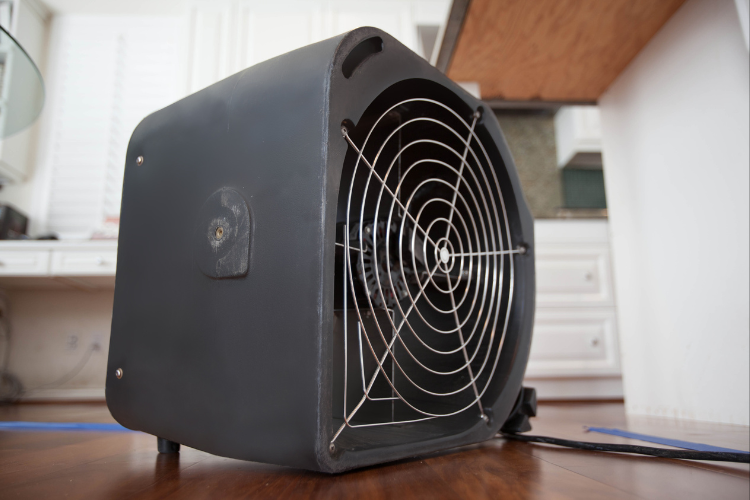
Professional restoration equipment can help determine how far moisture has traveled and whether additional drying is needed.
Don't wait for winter to investigate
October is one of the best times to address drainage and moisture problems around a Wisconsin home.
Once temperatures drop and the ground begins to freeze, some exterior repairs become more difficult.
A little prevention now can potentially save a much larger headache later.
Before winter arrives:
- Clean gutters
- Inspect downspouts
- Check the foundation
- Look for basement moisture
- Test your sump pump
- Fix active plumbing leaks
Water damage doesn't always begin with a flood
Many homeowners picture water restoration as something that happens after several inches of water enter a house.
In reality, restoration professionals also deal with smaller leaks and moisture problems that have spread into building materials.
If you notice unexplained moisture, wet flooring, damaged drywall, or recurring basement water in Central Wisconsin, Superior Cleaning & Restoration can help determine the extent of the damage and develop a plan for drying the affected area.
Finding the problem early is usually much easier than discovering it after winter has already arrived.
More To Explore