
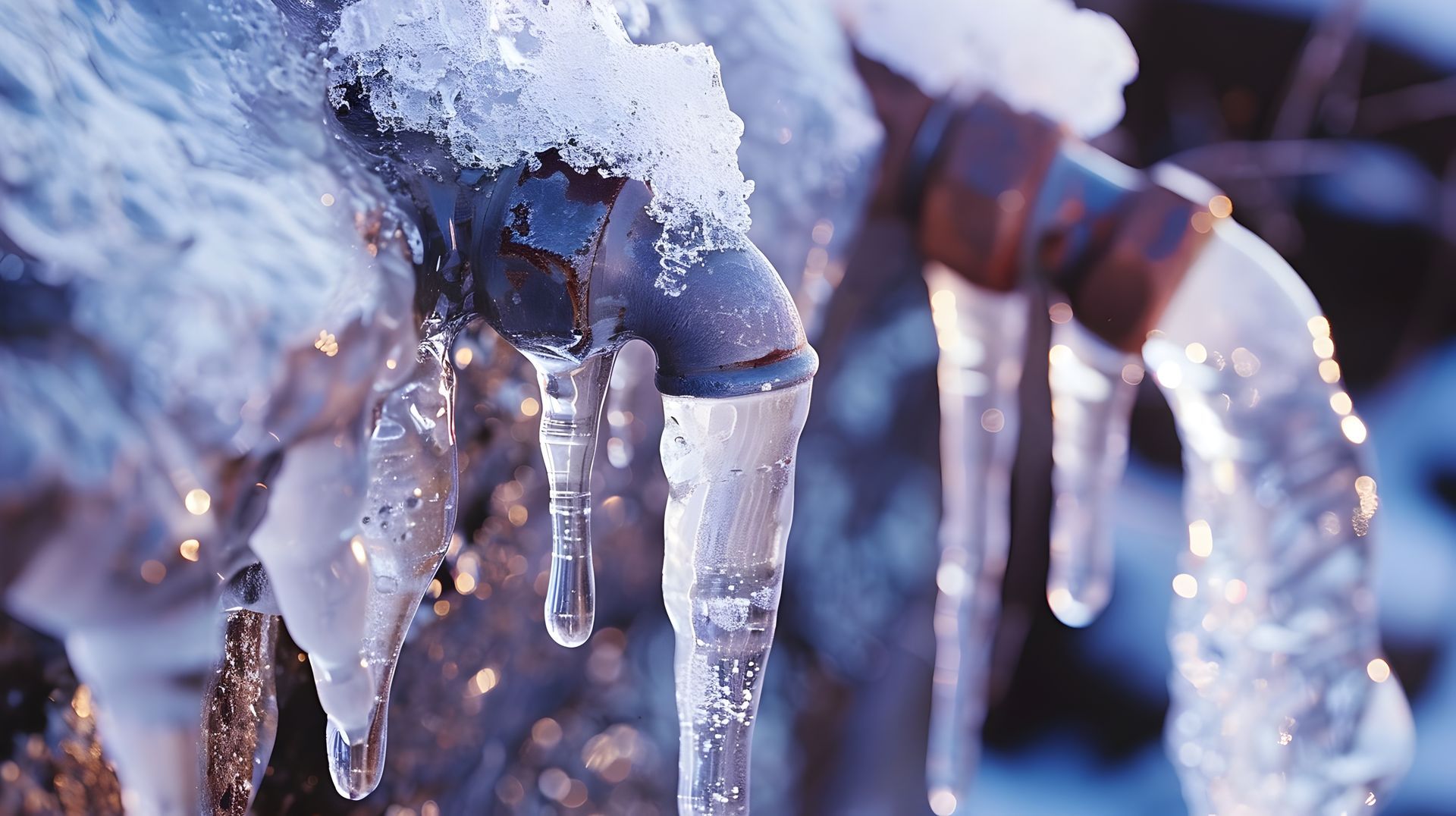
Burst Pipe in Wisconsin? What to Do During the First Few Minutes of a Water Damage Emergency
Burst Pipe in Wisconsin? What to Do During the First Few Minutes of a Water Damage Emergency
It is one of the last sounds a homeowner wants to hear in December:
Running water somewhere in the house when no faucet is supposed to be on.
During Wisconsin's coldest months, a frozen or burst pipe can release a large amount of water in a short period of time.
Knowing what to do before the emergency happens can help reduce the damage.
Step 1: Shut off the water
If you can safely reach the main water shutoff, turn off the water supply.
Stopping additional water from entering the house is the most important immediate step.
If you do not know where your shutoff valve is located, make finding it part of your winter home preparation.
Common locations include basements, utility rooms, or areas near where the main water line enters the building.
Step 2: Watch for electrical hazards
Water and electricity can create a dangerous situation.
If water is near:
- Electrical outlets
- Appliances
- Electrical panels
- Extension cords
- Ceiling fixtures
do not enter the area unless you know it is safe.
When there is uncertainty, let trained professionals handle the situation.
Step 3: Contact a plumber
A restoration company handles the water damage, but the broken plumbing itself will generally need to be repaired by a qualified plumber.
Stopping the source and repairing the damaged pipe prevents additional water from entering the building.
Step 4: Contact a water damage restoration company
Once water has entered walls, flooring, ceilings, or other building materials, drying becomes important.
A professional water damage restoration company can help with:
- Water extraction
- Moisture detection
- Removing damaged materials when necessary
- Air movement
- Dehumidification
- Monitoring the drying process
The objective is not simply to remove puddles.
The objective is to remove excess moisture from materials that should be dry.
Why a shop vacuum and household fan may not be enough
For very small spills on nonporous surfaces, homeowners may be able to clean up the water themselves.
A burst pipe is often different.
Water can travel underneath flooring, behind baseboards, inside wall cavities, and through ceilings.
Materials can sometimes feel dry on the surface while moisture remains underneath.
Restoration professionals use moisture-measuring equipment to help identify affected areas that may not be obvious.
Should you move furniture and belongings?
If it is safe to do so, moving dry belongings away from the affected area can help protect them.
Avoid moving heavy furniture through standing water if there are electrical concerns or other hazards.
You can also take photographs of the affected areas and damaged belongings.
Those photos may be useful when documenting what happened.
What information should you have when calling for help?
When you contact a restoration company, it helps to know:
- What caused the water
- Whether the water has been shut off
- Approximately when the leak started
- Which rooms are affected
- Whether water came through a ceiling
- Whether electrical systems are involved
Do not worry if you cannot answer every question.
The most important thing is getting the situation under control.
How far can water travel?
Farther than many homeowners expect.
For example, a pipe that breaks upstairs may affect:
- The room where the leak occurred
- Adjacent walls
- The flooring
- The ceiling below
- Insulation
- Rooms on the lower level
That is why restoration professionals often inspect beyond the visibly wet area.
What about insurance?
Coverage varies by policy and situation.
Homeowners experiencing significant water damage may want to contact their insurance company and document the damage.
Keep photographs, receipts, and records related to the incident.
A restoration company can also document the areas affected and the work performed.
The key is acting quickly
A burst pipe can be stressful, especially in the middle of a Wisconsin winter.
But the response does not need to be complicated.
Remember the basic order:
Stop the water. Stay safe. Repair the source. Begin drying the structure.
If frozen or burst pipes cause water damage in Plover, Stevens Point, Wisconsin Rapids, or the surrounding Central Wisconsin area, Superior Cleaning & Restoration can help with professional water extraction and structural drying.
Winter may be unavoidable in Wisconsin.
Serious water damage does not have to be.
More To Explore


